
TSBC Licence # 00214316

What kind of wiring is typically found in homes built in different decades?
The type of electrical wiring in your home often depends on when it was built or last renovated. Over the decades, wiring materials and safety standards have evolved significantly. Knowing the likely wiring based on your home’s age can help you assess safety, plan upgrades, and understand potential insurance or code issues.

Before 1950
The Knob-and-Tube Era
Early homes were wired with knob-and-tube systems, which had no ground wire and used cloth or rubber insulation. These systems weren’t designed for modern appliances and now present a higher risk of fire or shock. While not always dangerous if untouched, most insurers won’t cover homes with active knob-and-tube wiring.
1950-1964
Early Copper Wiring (Often Ungrounded)
Homes from this era typically used copper wiring with paper filler insulation inside early NMD cables. Ground wires were often missing, and fuse panels were still common. The paper-insulated wiring can become brittle over time and may not meet current safety or insurance standards.


1965-1976
The Aluminum Wiring Years
Due to a copper shortage, some homes were built with aluminum wiring. While effective at carrying electricity, aluminum wiring can expand and contract, leading to loose connections and overheating. If your home was built during this time, it may need retrofitting or replacement for safety and insurance compliance.
1977-1989
Grounded Copper Becomes Standard
Homes from this period typically use grounded copper wiring with early plastic (NMD70) insulation. Breaker panels are standard, and grounding is in place. However, safety protections like GFCIs were only required in limited locations at the time. Adding modern GFCI outlets and ensuring outlet integrity is often advised.


1990-2004
Modern NMD90 Copper Wiring
By this era, homes were constructed with modern NMD90 copper wiring, full grounding, and well-distributed circuits. Breaker panels are usually 100A or more, and smoke alarms are often hardwired. While generally safe, some homes from this period may still lack AFCIs or tamper-resistant receptacles.
2005-2015
Updated Wiring, May Lack Full AFCI Protection
This period saw tighter enforcement of GFCI rules and the early adoption of tamper-resistant outlets and CO detectors. AFCIs were introduced in certain rooms but not always required throughout the home. Homes from this era may only need minor upgrades to meet current standards.

2016-Present
Up-to-Date and Code-Compliant
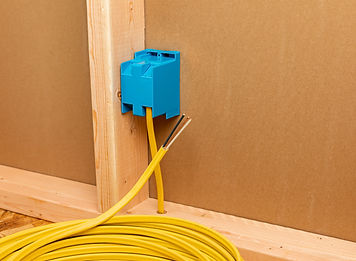
Newer homes are built to current Canadian Electrical Code standards. They feature fully grounded copper wiring, tamper-resistant outlets, and GFCI and AFCI protection in all required locations. Panels are often EV- and solar-ready, with layouts designed to accommodate modern electrical demands and smart systems.